Monsoon Flood Inundation and Highland Megafauna Transit
Ranger telemetry logs annual Kaziranga migration to Karbi Anglong
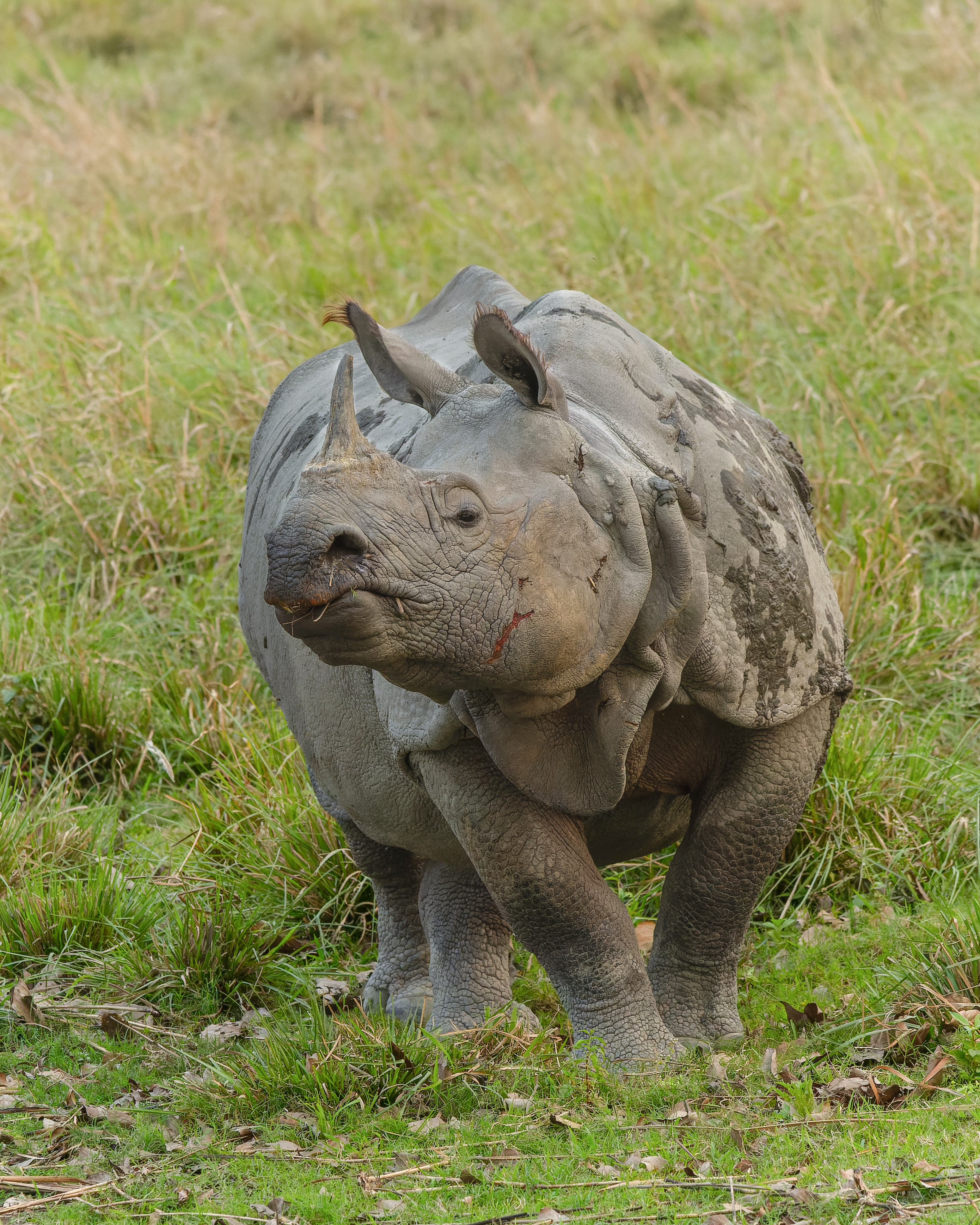
"When the Brahmaputra swells seven meters above its dry-season banks, sixty herds of elephants and Greater One-Horned Rhinos swim across highway channels toward the safety of the Karbi Anglong hills."
In the eastern Brahmaputra floodplain, the annual monsoon is not a disaster, but the pulse that regenerates the entire ecosystem. Between July and October, snowmelt from the eastern Himalayas combines with torrential monsoon clouds to submerge up to eighty-five percent of Kaziranga National Park under several meters of silt-laden water.
Our telemetry team, operating from reinforced wooden country boats and elevated anti-poaching watchtowers, tracked three matriarch elephant herds as they initiated their migration. Rather than panicking, the herds waited for the water level to reach a specific depth threshold before organizing into a single swimming line led by the oldest cow.
The animals utilized historical high-ground ridges built centuries ago by Ahom kings, now supplemented by twenty-five artificial earthen knolls (chapories) constructed by the forest department. Along these elevated islands, rhinos, wild water buffalo, and hog deer rested before making the dangerous crossing of National Highway 715 toward the southern foothills of Karbi Anglong.
Thermal camera arrays installed along five key wildlife corridors recorded speed sensor alerts, triggering automatic automated warning signs and ranger escorts that allowed 1,200 large mammals to cross into hill forests with zero vehicle strikes during the peak surge.