Royal Bengal Tiger
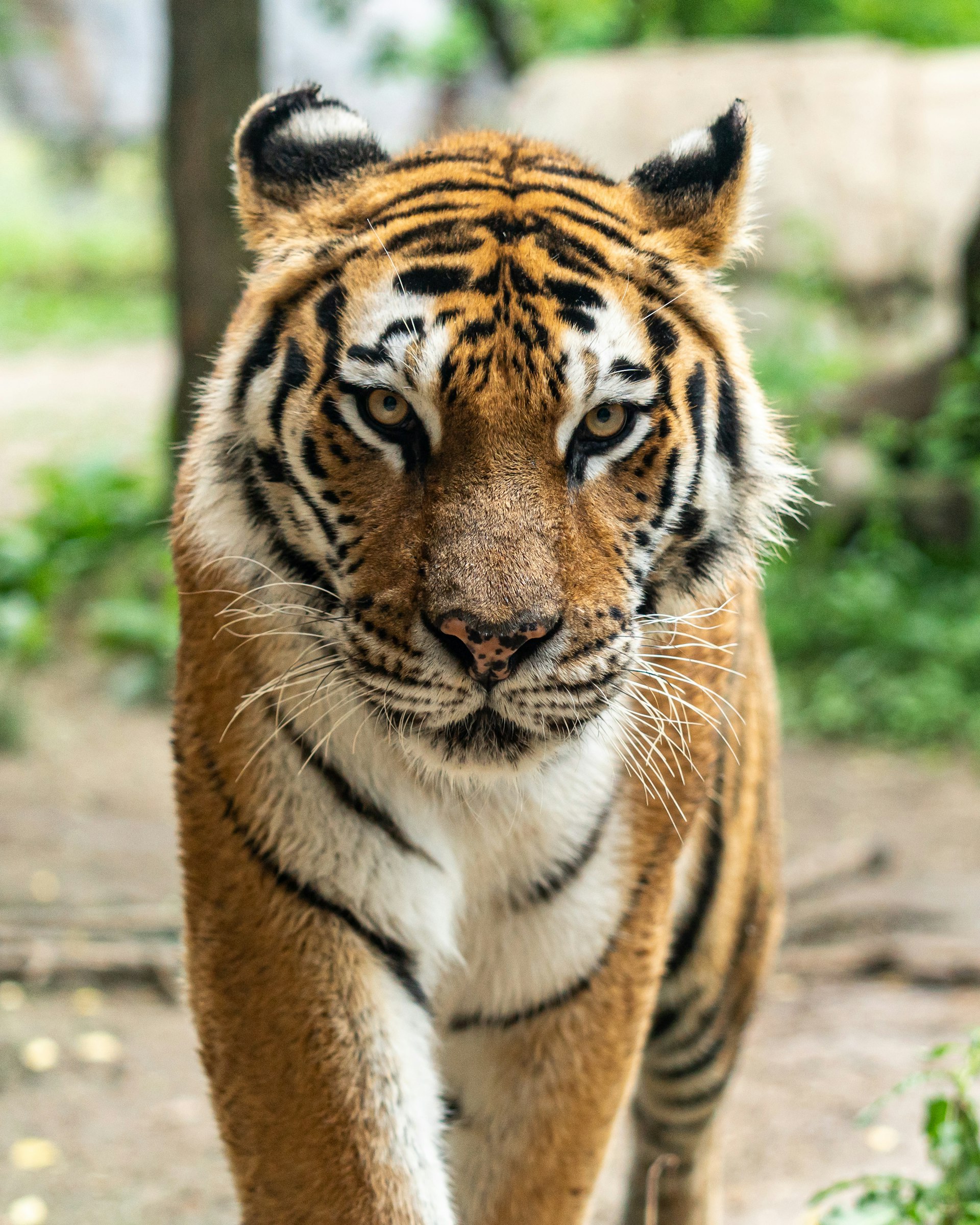
Undisputed sovereign of the Indian wilderness, commanding sal canopies and tidal mangrove labyrinths across historical hunting territories.
Corbett Sal Forest Solitary apex felids commanding prime river basins and sal forests. Non-invasive infrared camera grids log nocturnal territorial boundaries.
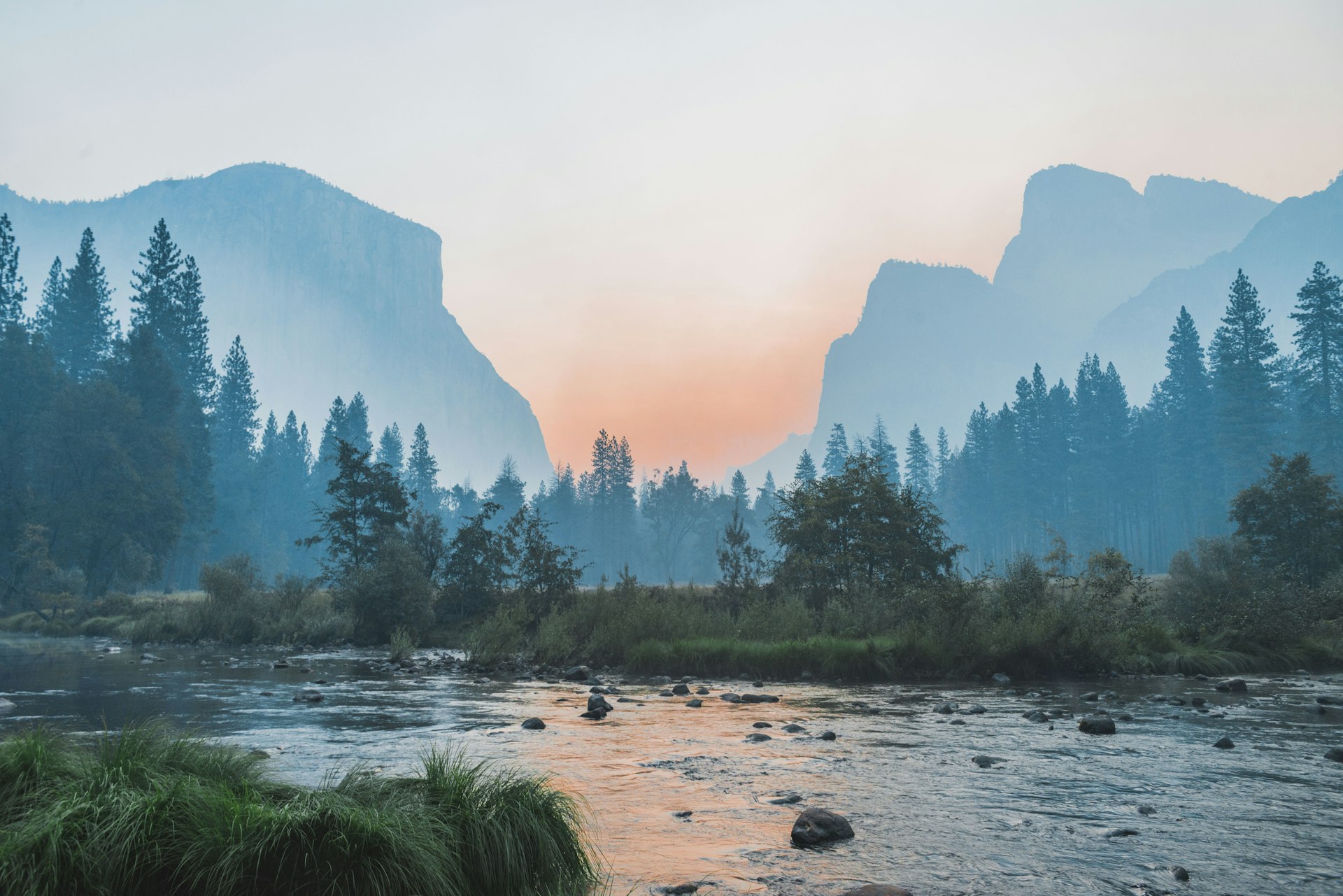
Older than the Himalayas, the Western Ghats mountain chain intercepts the Indian Ocean monsoon to generate life-giving river systems for over three hundred million people. Across high-altitude Shola grasslands and dense wet evergreen valleys, evolutionary lineages dating back to the breakup of Gondwanaland endure.
Monsoonal mist lifting over undisturbed primary evergreen canopy in the southern Western Ghats.
Undisputed sovereign of the Indian wilderness, commanding sal canopies and tidal mangrove labyrinths across historical hunting territories.
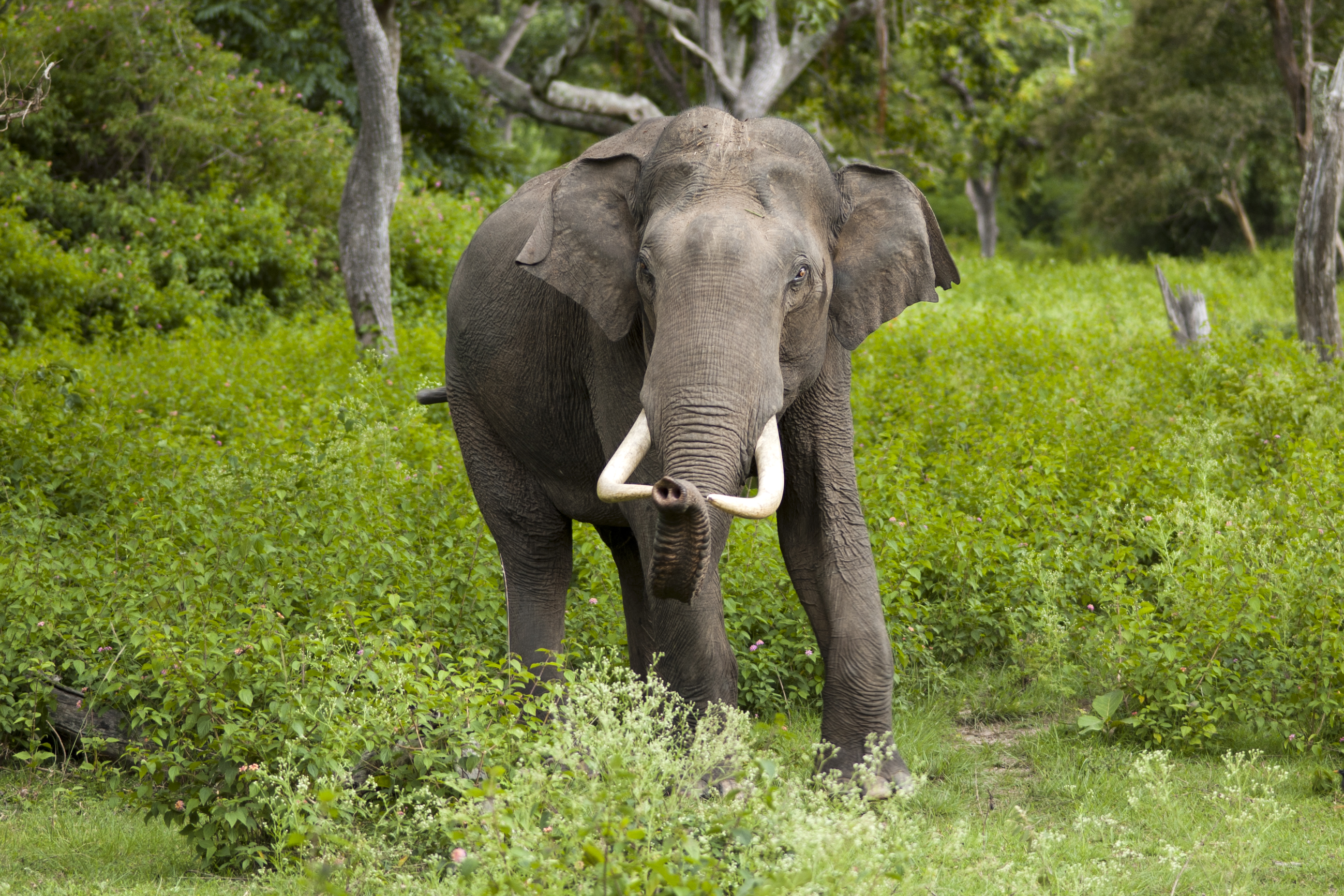
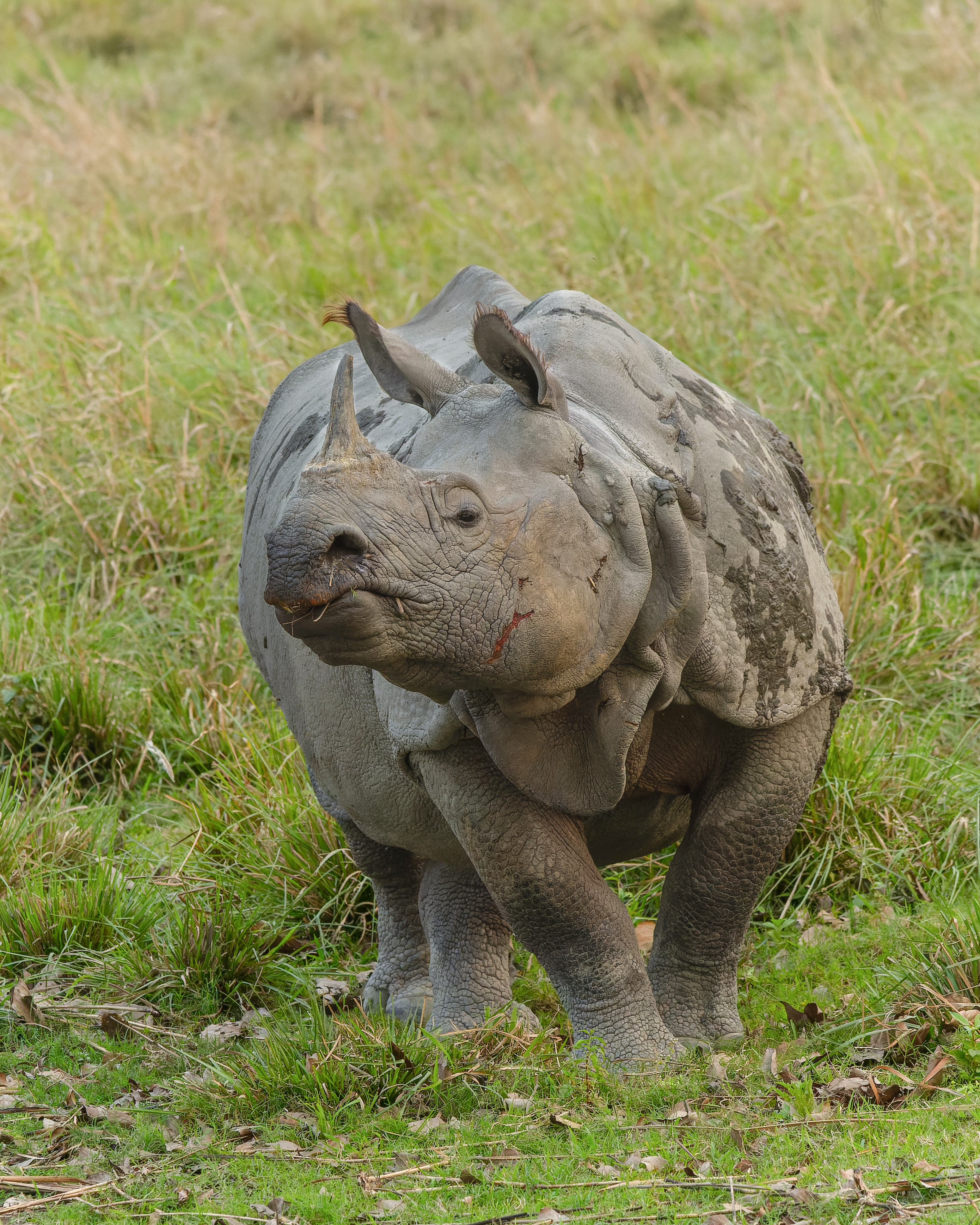
Armored survivor of the Pleistocene megafauna, navigating deep floodwaters and tall elephant grasses in the Brahmaputra basin.
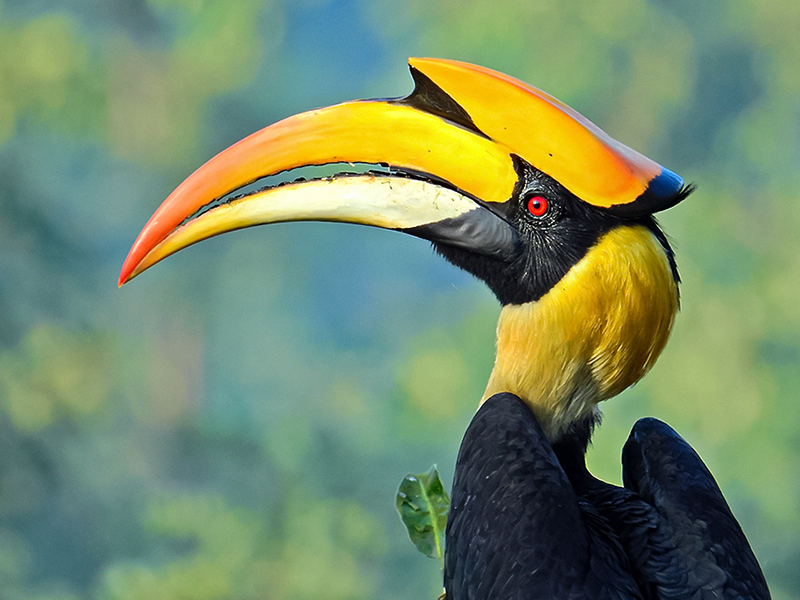
Revered farmers of the rainforest canopy, dispersing ancient hardwood seeds across deep mountain ravines with whooshing wingbeats.
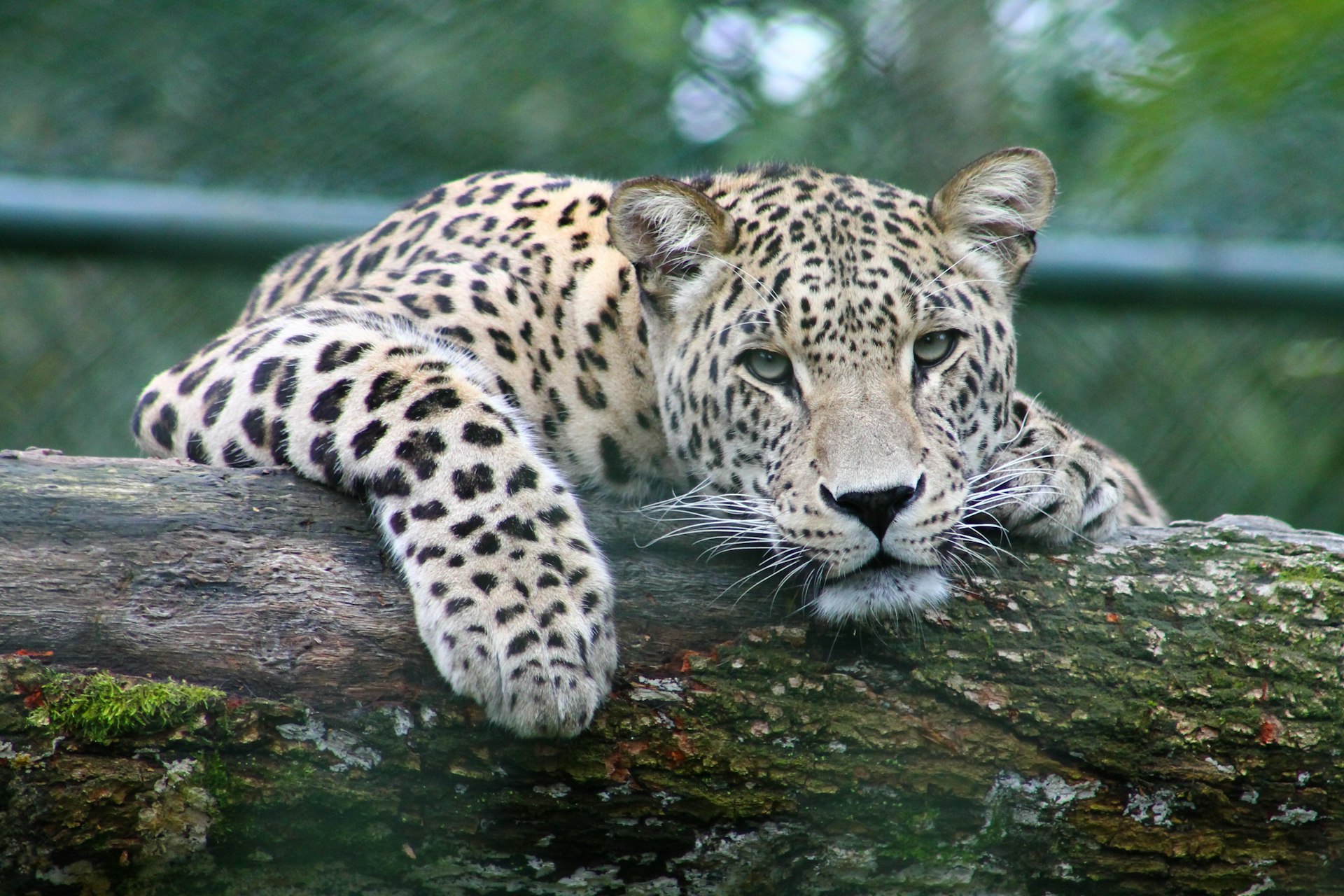
Masters of vertical agility that cache prey high in rosewood boughs, featuring the iconic melanistic morph in Kabini's deep evergreen forests.
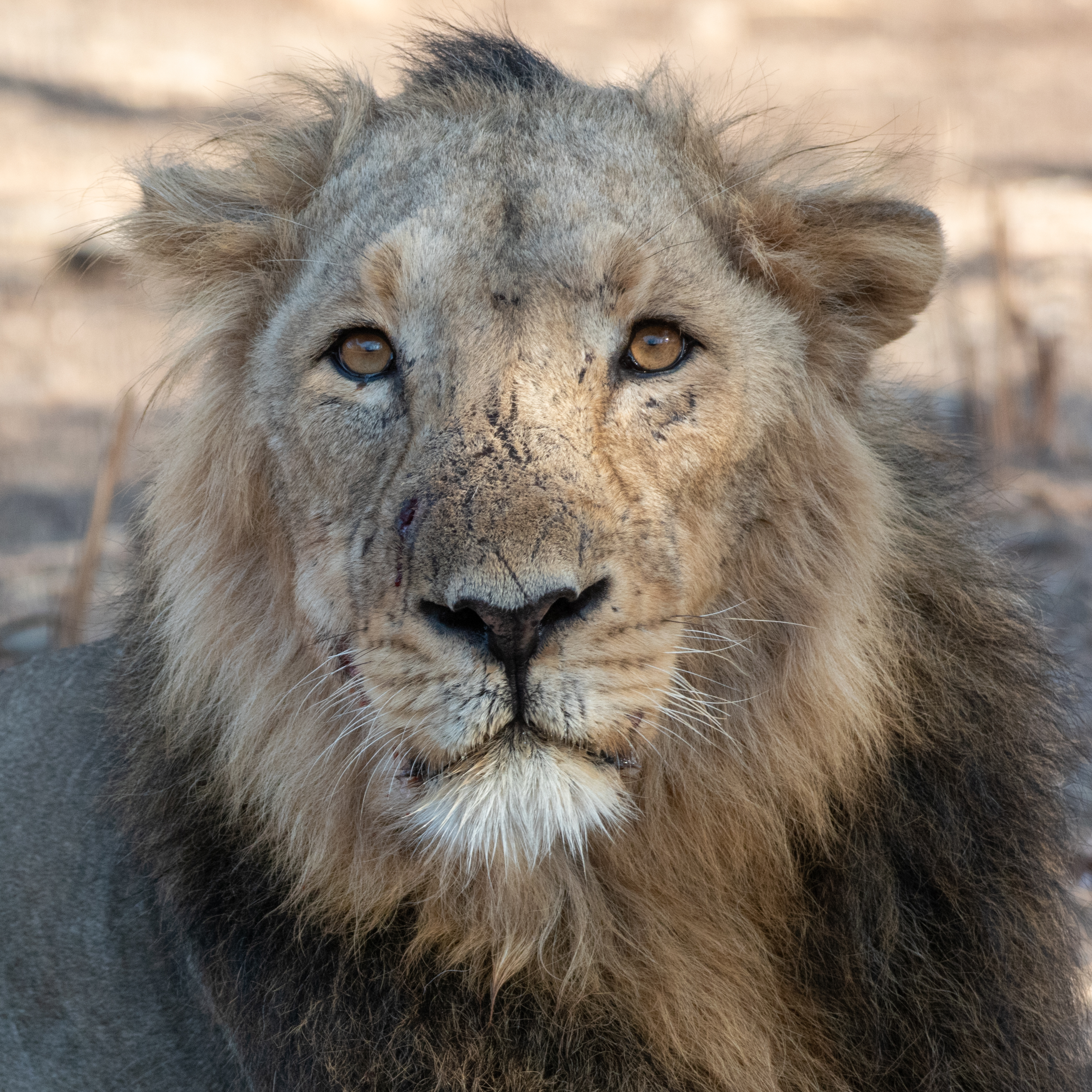
Surviving in Gujarat's Gir sanctuary as the only wild lion population in Asia, characterized by a distinct belly fold and rugged pride bonds.
A documented chronicle of wild Asian elephant clans moving along the Nilgiri-Eastern Ghats migratory elephant corridors, recorded by pioneer ecologist Dr. Raman Sukumar.
"As matriarch-led herds traverse ancient mountain saddles, their browsing selectively thins fast-growing scrub and opens sunlight channels for hardwood dipterocarps. Their deep communal dusting wallows hold rainwater months into the dry season, sustaining thousands of secondary forest species."
From emergent 60-meter dipterocarp crowns to the perennial stream beds of the Western Ghats, four distinct altitudinal layers sustain ancient Gondwanan lineages.
Towering Cullenia exarillata and giant Dipterocarpus trees pierce the monsoon cloud layer, providing nesting vaults for India's largest forest birds.
Interlocking moss-draped branches harboring ancient endemic primates. Epiphytic wild orchids and ferns filter monsoonal deluge into pure river springs.
Humid, filtered twilight where wild cinnamon, cardamom, and cane reeds thrive. Master hunting grounds for arboreal predators and the elusive Black Panther.
Perennial wet humus and gravel streams nourishing ancient mycorrhizal fungi. Ancestral migratory trails walked by elephants and tigers since antiquity.
India harbors over seventy-five percent of the world\'s wild tigers and sixty percent of Asian elephants across less than three percent of the planet\'s land area. Protecting these giants requires legally securing continuous habitat corridors connecting isolated national parks and tiger reserves.
Every field metric logged across our dispatches corresponds to ground-truthed pugmark censuses, camera-trap mark-recapture data, and satellite radio-collar telemetry audited by the Wildlife Institute of India.
Securing 101 critical elephant transit corridors across the Nilgiri Biosphere, Shivalik foothills, and Brahmaputra floodplains, securing right-of-passage against linear infrastructure.
Deploying thermal camera-trap arrays (e-Eye systems) and MSTrIPES mobile patrol monitoring to protect Kaziranga and Corbett core breeding sanctuaries around the clock.
Empowering indigenous Soliga, Irula, and Van Gujjar forest dwellers through the Forest Rights Act to co-manage sacred groves, combat invasive Lantana camara, and monitor local biodiversity.
When the Brahmaputra swells seven meters above its dry-season banks, sixty herds of elephants and Greater One-Horned Rhinos swim across highway channels toward the safety of the Karbi Anglong hills.
Using passive infrared motion sensors and non-invasive hair-snag DNA stations, we mapped 110 square kilometers of primary sal forest territory without disturbing a single leaf.
Sub-canopy data loggers recorded continuous internal temperatures of an active leaf nest, demonstrating how rotting humus protects developing eggs through 3,000 millimeters of rainfall.
Shapes canopy structure across 50km migration arcs
Commands 110 sq km core territory across sal forests
Pleistocene survivor thriving in Brahmaputra floodplains
Disperses ancient hardwood seeds with whooshing flight
Vertical agility hoisting prey into high rosewood boughs
Sole wild Asian lion population surviving in Gir, Gujarat
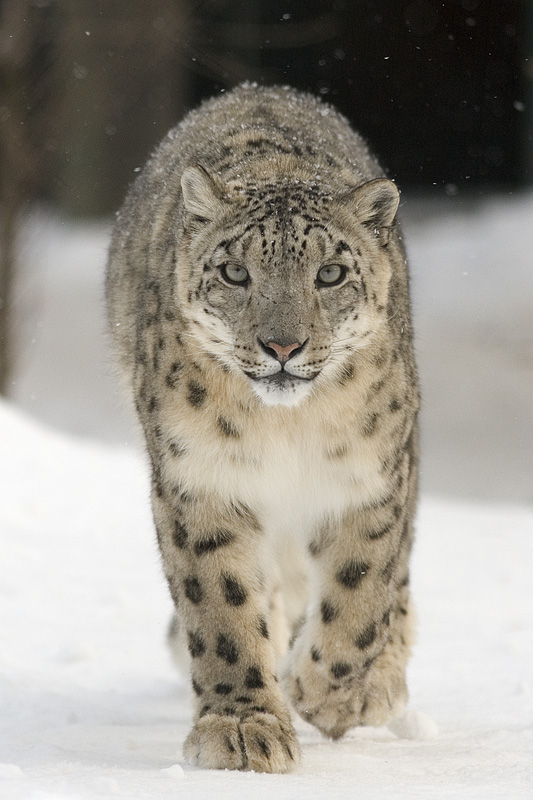
Smoky rosette camouflage stalking 45-degree talus ridges
Only snake constructing multi-tiered leaf incubation mounds
Receive verified field logs, camera-trap captures, and elephant corridor migration telemetry directly from research stations in the Western Ghats, Corbett, and Kaziranga.
No commercial solicitations. Strictly field biology and conservation telemetry.