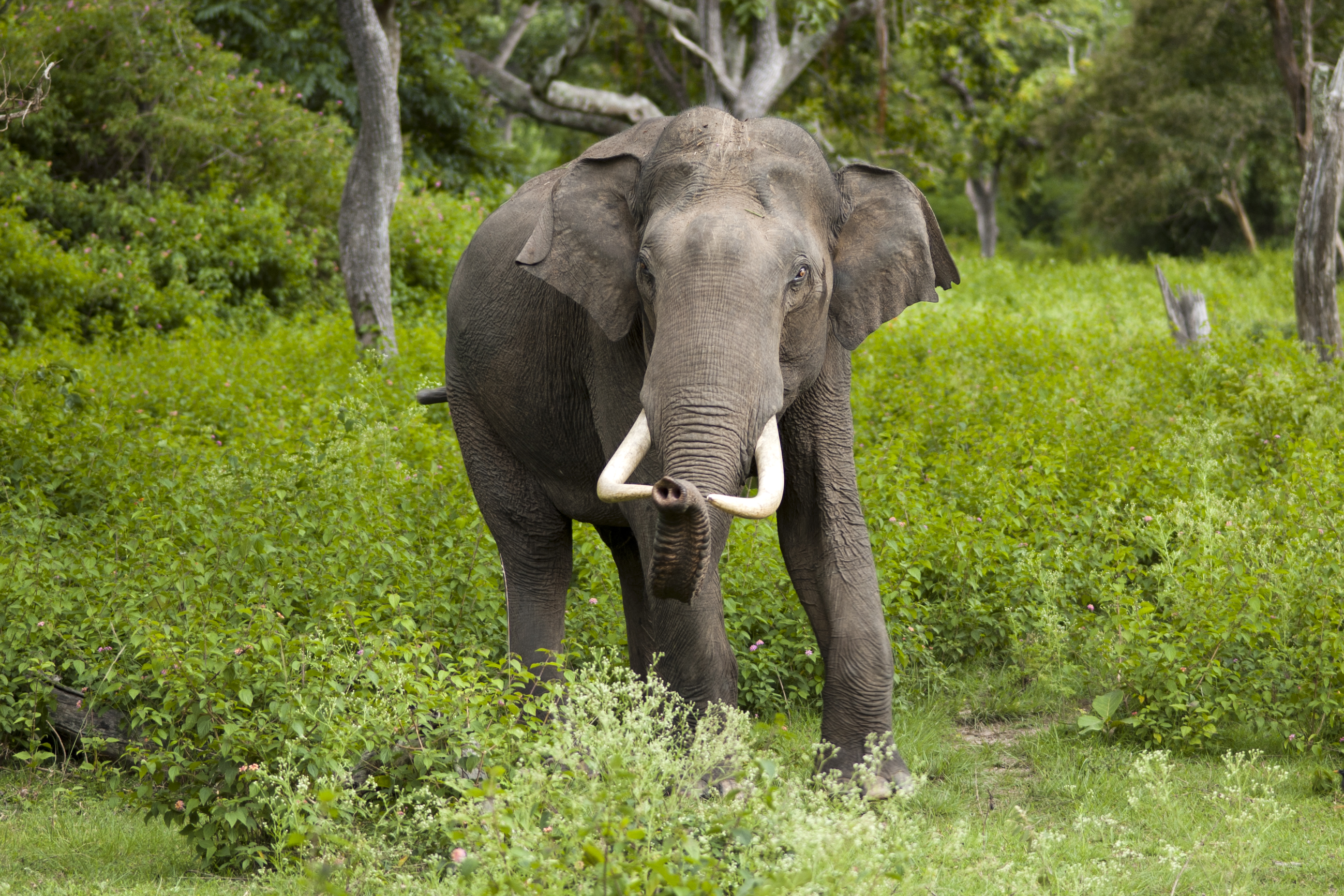
Indian Asian Elephant
Elephas maximus indicus
Species Overview & Morphology
The Indian elephant is the architect of the subcontinent's ancient forest systems. Roaming across historical migratory corridors in the Nilgiri Biosphere and the foothills of the Himalayas, matriarch-led family herds shape forest density and create perennial forest pools vital for all wildlife.
Ecological Role & Canopy Dynamics
As keystone seed dispersers, Indian elephants consume more than 150 plant species and deposit seeds encased in nutrient-rich dung across distances exceeding fifty kilometers. Their trails act as natural firebreaks during dry seasons and open canopy light gaps for juvenile hardwood saplings.
Ground-Truthed Field Behavior
"In the Kabini and Bandipur reserves, researchers recorded matriarch "Bhadra" guiding a herd of seventeen individuals across three seasonal river crossings, synchronizing movements with the arrival of southwest monsoon showers."