Back to Species Registry
Arboreal Apex Felid
· Vulnerable (IUCN 3.1)
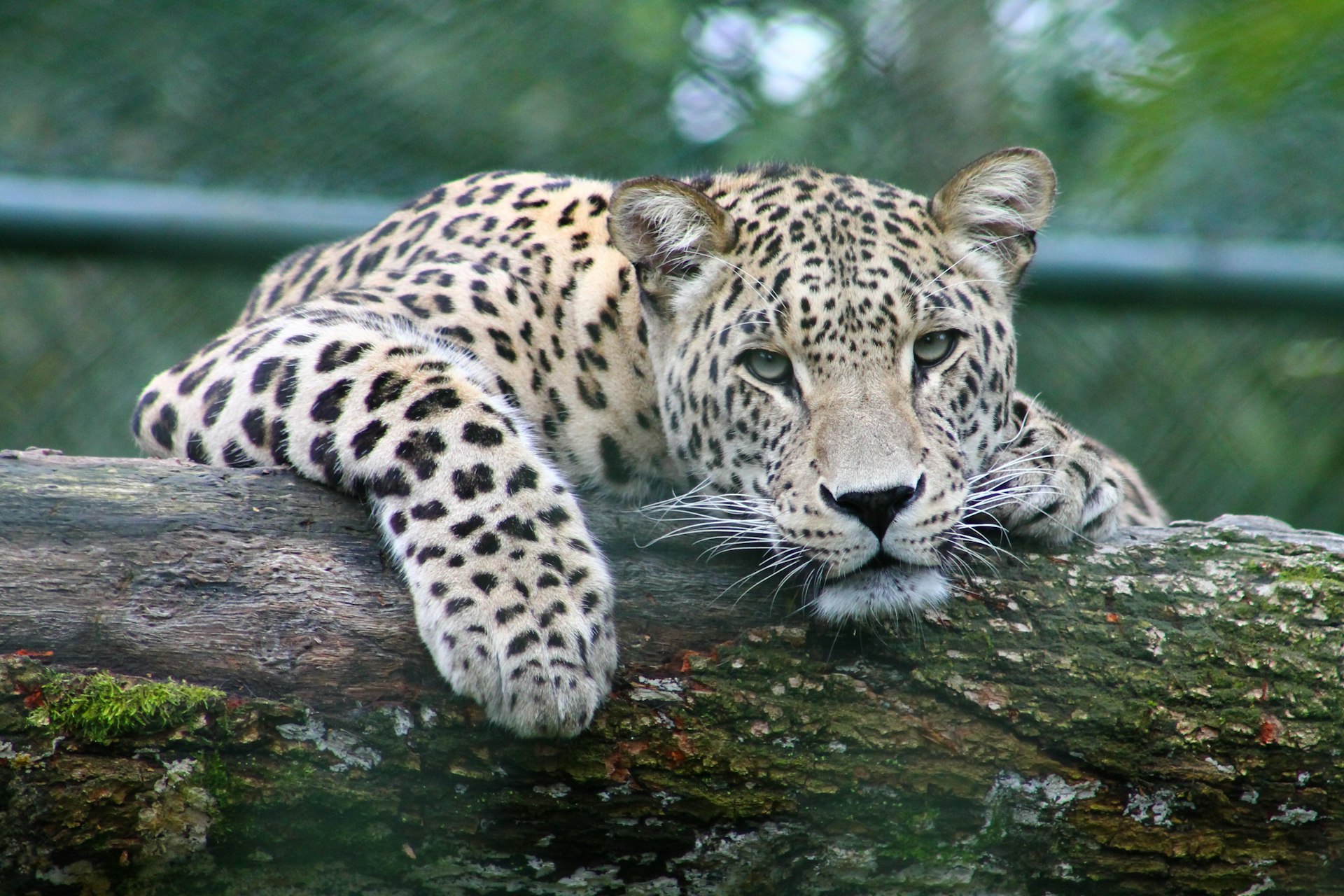
Indian Leopard
Panthera pardus fusca
Habitat Strata Deciduous Teak Forests, Rocky Escarpments & Dense Woods
Vertical Elevation Sea level to 3,400m (Himalayan foothills)
Dietary Ecology Langurs, barking deer, peafowl, spotted deer, wild boar
Population Status Stable in core sanctuaries; high human-wildlife interface
Species Overview & Morphology
Masters of stealth and spatial agility, Indian leopards thrive where light filters through sal and teak trees. In southern reserves like Kabini and Nagarhole, a rare melanistic morph (the Black Panther) prowls the dense shadows of the evergreen canopy.
Ecological Role & Canopy Dynamics
By hunting arboreal primates and intermediate herbivores across diverse elevations, leopards balance mid-tier consumer populations in rocky outcrops and steep ravines inaccessible to heavier predators.
Field Expedition Journal Notes
Ground-Truthed Field Behavior
"A night-vision camera trap in Kabini recorded a male leopard hoisting a 45-kilogram chital carcass five meters into a rosewood fork, securing the meal away from scavengers."
Documented Anatomical Metrics
Adult Mass 50 to 75 kg
Vertical Leap Up to 3 meters
Night Vision Multiplier 6x human optical clarity
Co-Existing Corridor Species