Back to Species Registry
High-Altitude Apex Predator
· Vulnerable (IUCN 3.1) / High Altitude Ghost
Himalayan Snow Leopard
Panthera uncia
Habitat Strata Alpine Steppe, Scree Slopes & Glacial Valleys
Vertical Elevation 3,000m to 5,500m (Trans-Himalayan Cold Deserts)
Dietary Ecology Blue sheep (bharal), Asiatic ibex, Himalayan marmot, woolly hare
Population Status Threatened by retaliatory killings and climate shift
Species Overview & Morphology
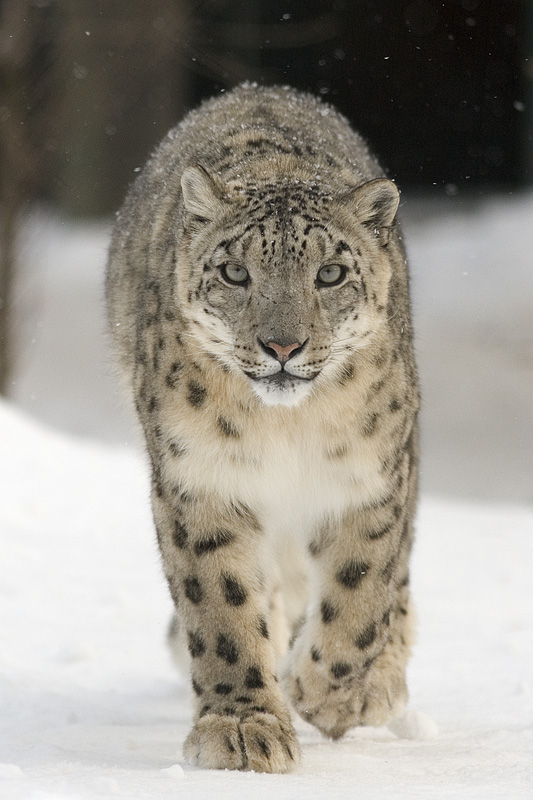
Known across Ladakh and Spiti as the "Ghost of the Mountains", the snow leopard is exceptionally adapted to the harsh conditions of India's high Himalayas. Its thick smoky-gray coat patterned with dark rosettes blends flawlessly with sheer granite cliffs and snowy ridgelines.
Ecological Role & Canopy Dynamics
Maintains healthy populations of wild caprid herbivores on fragile alpine pasturelands. Without snow leopards, overgrazing by wild ungulates accelerates soil degradation on high-altitude permafrost slopes.
Field Expedition Journal Notes
Ground-Truthed Field Behavior
"Thermal camera grids in Hemis National Park tracked an adult female stalking across a 45-degree talus ridge at 4,200 meters elevation, successfully caching an ibex beneath a natural rock overhang."
Documented Anatomical Metrics
Tail Length 80 to 105 cm (Balance & Warmth)
Adult Mass 32 to 55 kg
Leap Distance Up to 15 meters horizontal
Co-Existing Corridor Species